Skip to content

wp

Tools of the Trade: Understanding a Watchmaker’s Workshop

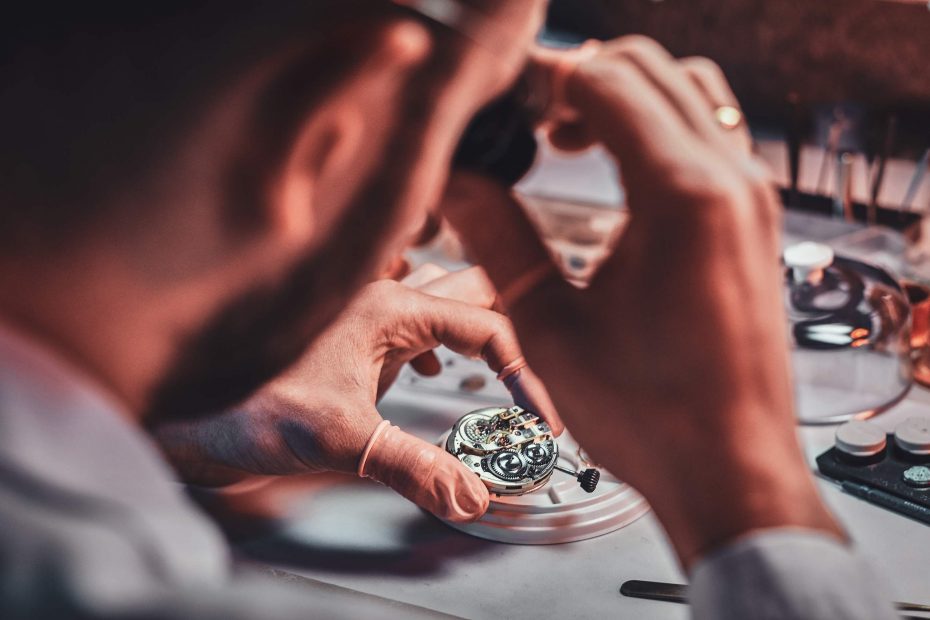
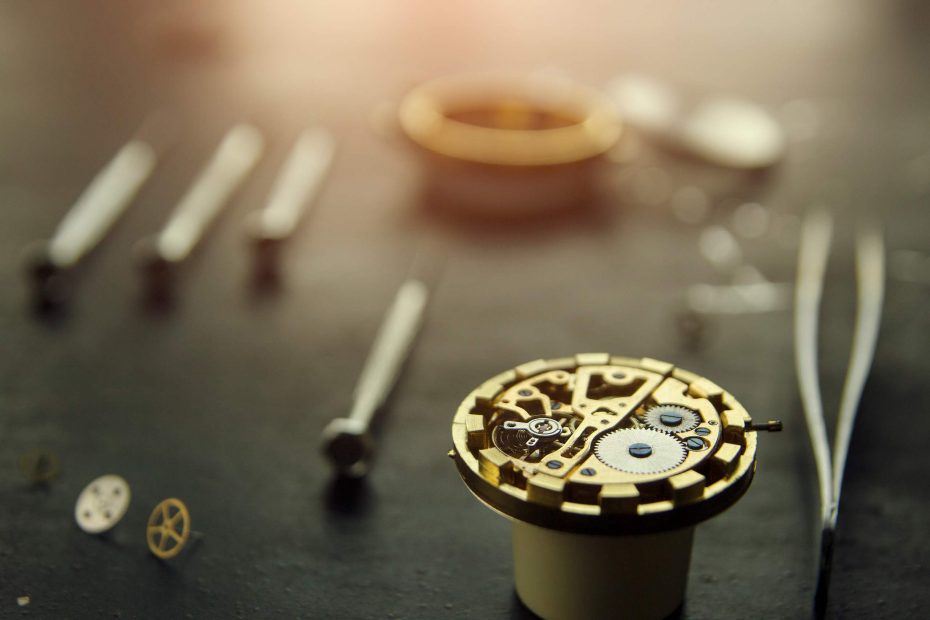
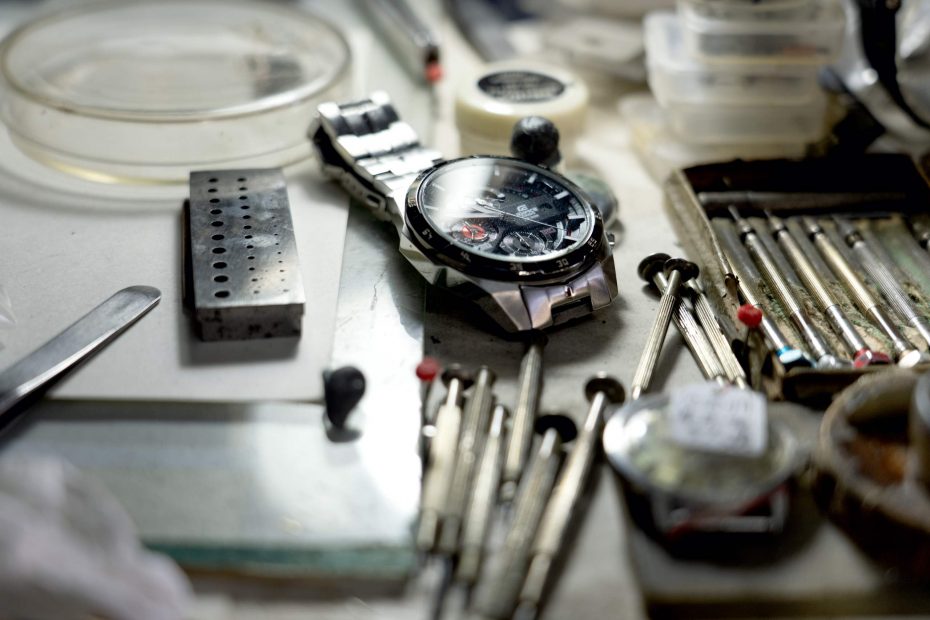
Behind every mechanical watch lies more than just a sophisticated movement: it’s the result of a watchmaker’s precise work. Given the small, delicate nature of the pieces that make up a watch, even minor tasks require specific tools that facilitate accurate control. As such, knowing how to use them is essential for any watchmaking student.… 
Watchmaking History: From Pocket Watches to Today’s Modern Watches

Time has been of interest to people, who wanted to measure the passage of time more precisely. Mechanical clocks originally mounted in towers and other structures have given rise to watches. Modern watches still use the knowledge of watchmaking gained over centuries. Portable pocket watches have existed for hundreds of years. At first, pocket watches… 

The Importance of Servicing Your Watch.

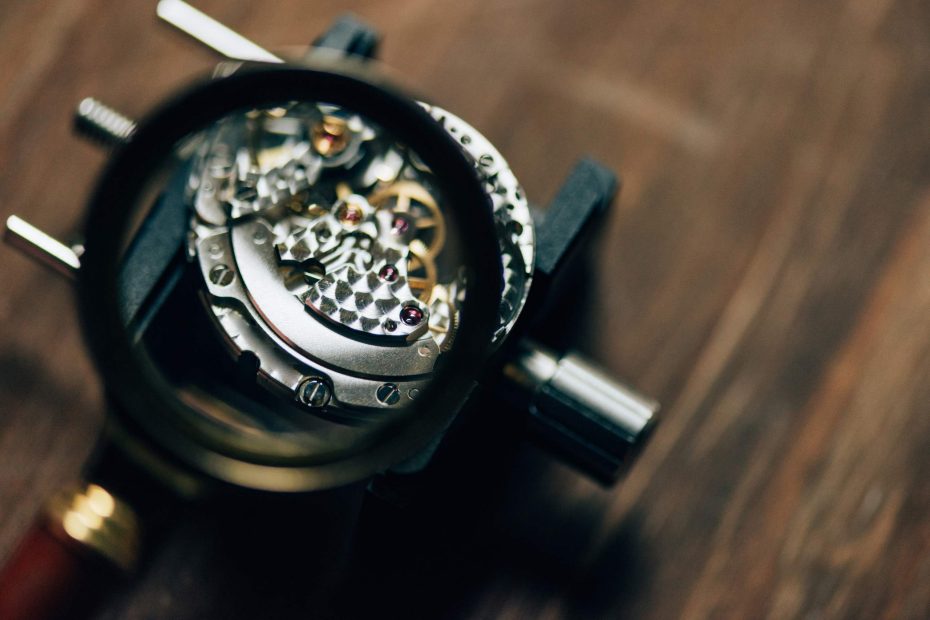
A mechanical watch is a fine example of engineering. There are dozens, sometimes hundreds, of individual parts inside an ordinary timepiece that constantly interact to ensure the accuracy of the passage of time. These intricate pieces, which are often capable of lasting decades, if not generations, need to be regularly serviced to reach and stay… 

What Is a Mechanical Watch?

Mechanical watches are loved by watch collectors, horologists, and watchmakers. The difference between a mechanical watch and other modern watches is that the watch will run without the use of electricity or batteries. Mechanical watches operate entirely through a carefully engineered system of springs, gears, and levers. One of the first things you need to…